The Fig Tree's Best Friends: Companion Planting For A Healthy And Productive Harvest
The Fig Tree's Best Friends: Companion Planting for a Healthy and Productive Harvest
Figs are a delicious and nutritious fruit that can be grown in many different climates. They are also relatively easy to care for, but there are a few things you can do to help ensure a healthy and productive harvest. One of these things is companion planting.
Companion planting is the practice of planting certain types of plants together to benefit each other. There are many different companion planting combinations, but some of the best for fig trees include:
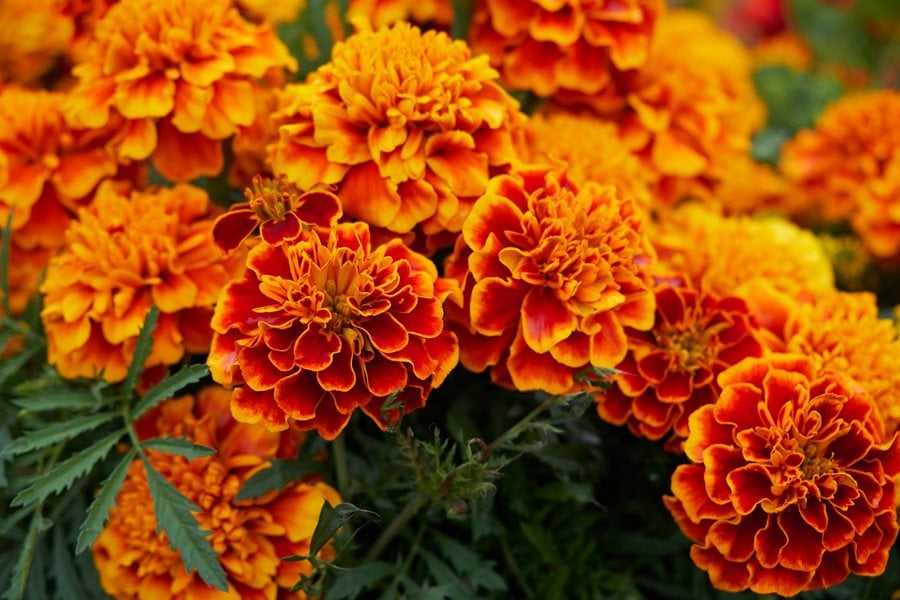
- Marigolds: Marigolds help to repel pests, such as nematodes and aphids. They also attract beneficial insects, such as ladybugs and lacewings.
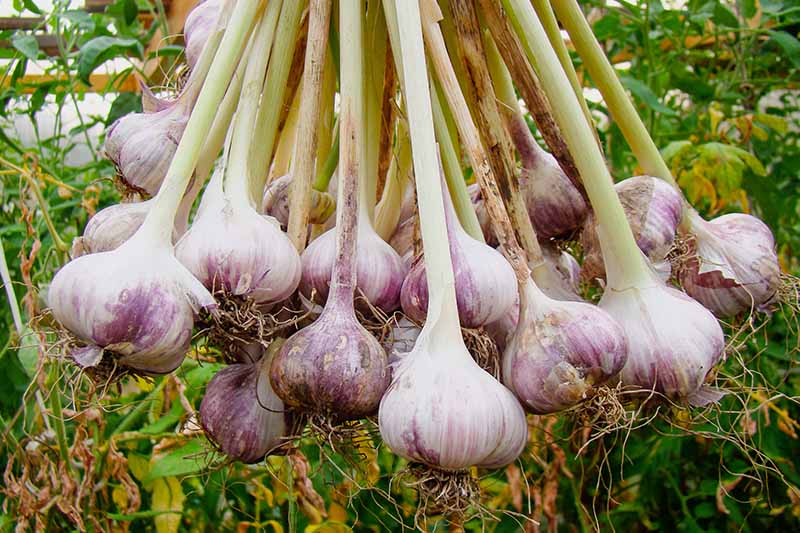
- Garlic: Garlic helps to repel pests, such as snails and slugs. It also helps to improve the flavor of figs.
- Onions: Onions help to repel pests, such as aphids and spider mites. They also help to improve the flavor of figs.
- Spinach: Spinach helps to suppress weeds and improve the nitrogen content of the soil. This can benefit fig trees, which are heavy feeders.
- Cucumbers: Cucumbers help to attract pollinators, such as bees and butterflies. This can help to improve the pollination of fig trees, which can lead to a larger harvest.
In addition to these specific plants, there are a few general principles of companion planting that can be applied to fig trees. For example, it is a good idea to plant fig trees near plants that have similar water and sunlight requirements. It is also a good idea to avoid planting fig trees near plants that are known to compete for nutrients, such as tomatoes and peppers.
By following these principles of companion planting, you can help to ensure that your fig trees are healthy and productive.
[MAIN CONTENT]
Here are some additional tips for companion planting with fig trees:
- Plant your fig trees in full sun.
- Water your fig trees regularly, especially during the summer months.
- Fertilize your fig trees in the spring and fall.
- Prune your fig trees in the winter.
- Protect your fig trees from pests and diseases.
By following these tips, you can help to ensure that your fig trees are healthy and productive for many years to come.
[Conclusion]
Companion planting is a great way to improve the health and productivity of your fig trees. By planting the right plants together, you can help to repel pests, attract pollinators, and improve the soil quality. This can lead to a larger harvest of delicious and nutritious figs.
Figs are a delicious and versatile fruit that can be grown in many different climates. But did you know that the plants you choose to plant around your fig tree can have a big impact on its health and productivity?
That's where companion planting comes in. Companion planting is the practice of planting certain plants together to benefit each other. For example, some plants attract pollinators, which can help to improve fig pollination and fruit set. Others deter pests and diseases, while still others have similar growing conditions and can help to improve the overall health of the fig tree.
If you're interested in learning more about companion planting for fig trees, I recommend visiting Gardenia Inspiration. This website has a wealth of information on the topic, including a list of recommended companion plants, as well as tips on how to plant and care for your fig tree.
FAQ of companion planting fig tree
1. What are the benefits of companion planting with fig trees?
There are many benefits to companion planting with fig trees. Some of the most common benefits include:
- Attracting beneficial insects: Many beneficial insects, such as ladybugs, lacewings, and parasitic wasps, are attracted to fig trees. These insects help to control pests, such as aphids, mealybugs, and scale.
- Improving soil quality: Fig trees can help to improve soil quality by adding organic matter and nutrients. They also help to suppress weeds.
- Distracting pests: Some pests, such as fig moths, are more attracted to certain plants than others. By planting these plants near your fig tree, you can help to distract the pests and keep them away from your fig tree.
- Providing shade: Fig trees can provide shade for other plants, which can help to keep them cool and reduce the risk of pests and diseases.
2. What plants are good companions for fig trees?
Some of the best companion plants for fig trees include:
- Herbs: Herbs, such as basil, rosemary, and thyme, can help to attract beneficial insects and improve soil quality.
- Flowers: Flowers, such as marigolds, nasturtiums, and sunflowers, can also help to attract beneficial insects and distract pests.
- Vegetables: Vegetables, such as tomatoes, peppers, and eggplants, can benefit from the shade and nutrients provided by fig trees.
- Fruit trees: Other fruit trees, such as apple trees, pear trees, and peach trees, can also be good companions for fig trees.
3. What plants should not be planted near fig trees?
Some plants that should not be planted near fig trees include:
- Nightshades: Nightshades, such as tomatoes, potatoes, and eggplants, can attract the same pests as fig trees.
- Cucumbers: Cucumbers can compete with fig trees for water and nutrients.
- Beans: Beans can fix nitrogen in the soil, which can reduce the need for fertilizer for fig trees. However, beans can also attract pests that can damage fig trees.
4. How far apart should fig trees be planted?
Fig trees should be planted at least 15 feet apart. This will give the trees enough space to grow and spread their roots.
5. How do I care for fig trees?
Fig trees need full sun and well-drained soil. They should be watered regularly, especially during the first year after planting. Fig trees are also susceptible to pests and diseases, so it is important to inspect them regularly and take preventive measures.
Image of companion planting fig tree
5 different images of companion planting fig tree from Pinterest:
- Image 1: This image shows a fig tree planted next to a rosemary bush. Rosemary is a good companion plant for fig trees because it helps to repel pests.

- Image 2: This image shows a fig tree planted next to a lavender plant. Lavender is another good companion plant for fig trees because it helps to attract pollinators.

- Image 3: This image shows a fig tree planted next to a chive plant. Chives are a good companion plant for fig trees because they help to improve the soil quality.
- Image 4: This image shows a fig tree planted next to a mint plant. Mint is a good companion plant for fig trees because it helps to deter rabbits and other pests.
- Image 5: This image shows a fig tree planted next to a tomato plant. Tomatoes are a good companion plant for fig trees because they help to improve the flavor of the figs.

Post a Comment for "The Fig Tree's Best Friends: Companion Planting For A Healthy And Productive Harvest"